Song Meaning of "The Day Before You Came"
ABBA – Song Analysis
🎬 Watch the Official Music Video
The music video for "The Day Before You Came" enhances the song's melancholic and mysterious atmosphere. featuring Agnetha Fältskog on a train journey and waiting at a station. The visual narrative perfectly complements the lyrics' themes of routine and impending change.
Themes and Lyrical Meaning
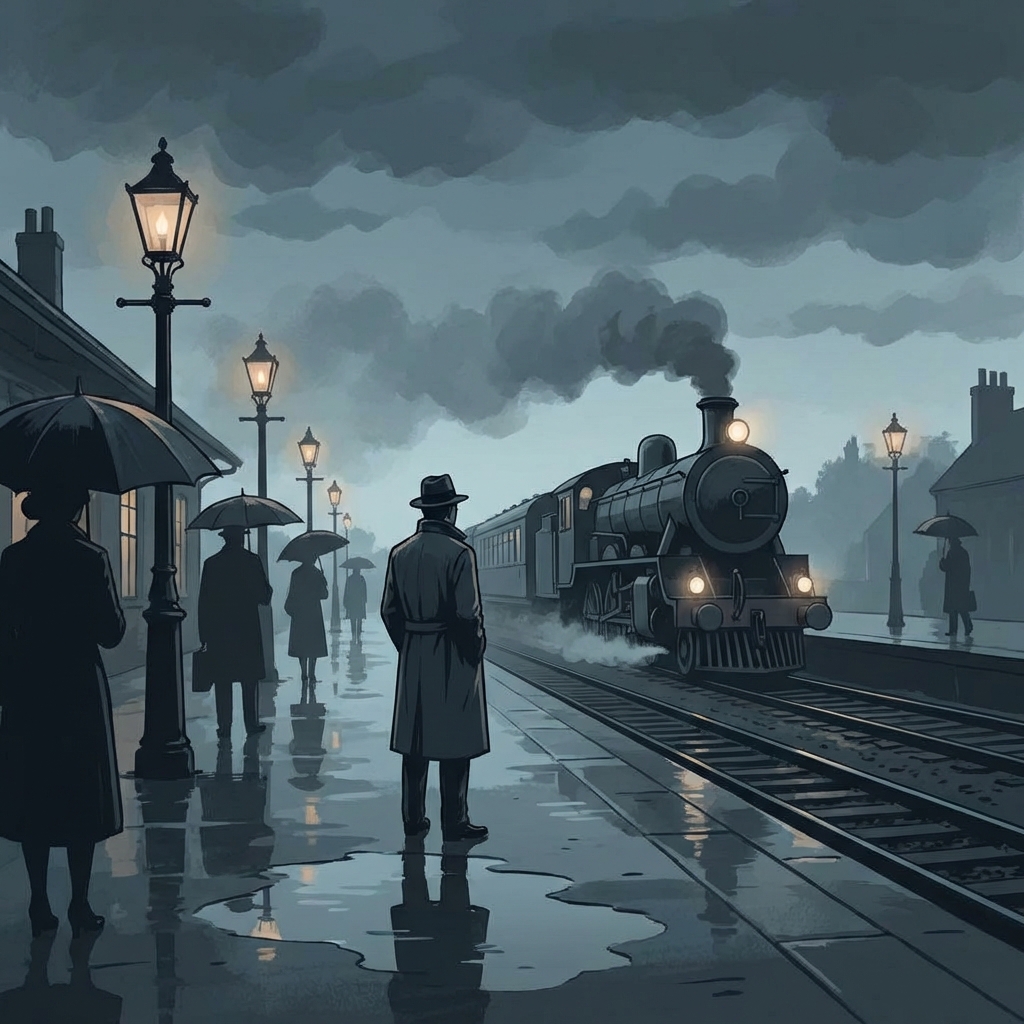
“The Day Before You Came” tells the story of a woman recounting an extremely ordinary day in her life – the day before something (or someone) arrived to change it forever. The lyrics list mundane details (catching a train, working, buying takeout, watching the TV soap Dallas), suggesting a life of routine and loneliness. Notably, the song never explicitly identifies who or what the “you” is, making it a small pop mystery. Björn Ulvaeus later hinted that the music itself “is hinting” at the answer. He imagined the protagonist as a woman who had a brief, intense love affair that ended — “He has left her, and her life has returned to how it must have been before she met him.”
Many interpret the song as an ironic love song about how banal life felt until love came along (and how it might feel again afterward). The ambiguity has inspired darker readings as well: some listeners speculate the "you" may not be a lover, but something more sinister — even a murderer — citing the narrator’s repetition and detachment, and the eerie backing vocals. Critics have noted her hazy memory (“I must have…”), possibly signaling repression or denial. Whether viewed as bittersweet or ominous, the song is a poignant parable about emptiness and yearning.
Historical Context and Background
By 1982, ABBA were nearing their end as a group. After their 1981 album The Visitors, members turned to solo ventures. In August 1982, the band reconvened to record songs for a greatest hits collection, with no new album planned. “The Day Before You Came” began as a melodic fragment dubbed “Den lidande fågeln” ("The Suffering Bird"), which Benny and Björn expanded into a full composition.
Björn wrote lyrics describing an uneventful day that ends with the title line. Agnetha Fältskog recorded the lead vocal with subtlety and restraint, at Björn's direction, to portray an “ordinary woman.” The studio atmosphere was somber — sound engineer Michael Tretow recalled dimmed lights and a shared sense that this might be ABBA’s last collaboration. In hindsight, it became their final major recording, now seen as a swan song filled with resignation and sadness.
Musical Composition and Production
The song is nearly six minutes long and breaks from ABBA's pop formula — no chorus, no big hook, only a looping melody. Each line ascends or descends one step musically, mimicking routine and monotony. It hovers in a minor key and modulates subtly, maintaining a melancholic tone. The phrase “the day before you came” punctuates each verse as a sort of refrain.
Instrumentation is electronic and minimalist. Benny Andersson used a Yamaha GX-1 synthesizer and LinnDrum machine. The soundscape includes synth beds, a light click track, subtle real drums, and gated synths that simulate a sequencer pattern. One signature feature is the synthetic "twin flutes" that add whimsy and counterpoint to the otherwise somber music. Frida's backing vocals — operatic and ethereal — float over Agnetha’s detached lead, creating a ghostly, theatrical effect. The result is a slow fadeout drenched in uncertainty, emotion, and atmosphere.
Release and Initial Reception
Released in October 1982 as the lead single from The Singles: The First Ten Years, the track charted well in parts of Europe but underperformed in the UK, breaking ABBA’s Top 30 streak. Its subdued style contrasted with pop trends of the time, leading to a lukewarm reception. Critics and band members were divided — Benny admired the lyrics but felt the recording didn’t fully succeed. The song's underwhelming performance hinted that ABBA’s era was quietly ending, with no official breakup announcement but no further new recordings either.
Legacy and Critical Reappraisal
Over time, the song gained recognition as one of ABBA’s most emotionally complex and artistically ambitious works. Critics have praised its blend of routine and tragedy, its melancholic tone, and Agnetha’s vulnerable delivery. In 2010, The Guardian called it a “forgotten masterpiece,” while Pitchfork's Tom Ewing dubbed it ABBA’s “career highlight.”
The track’s unique structure and mood have been described as a bridge between synth-pop and art song. Fans voted it ABBA’s third most beloved song in a 2010 ITV special, and it is often cited as their true farewell — a haunting conclusion to their discography.
Cover Versions by Other Artists
The song has been widely covered, reflecting its enduring appeal. British synthpop duo Blancmange charted higher in the UK with their 1984 version, changing “Marilyn French” to “Barbara Cartland.” Tanita Tikaram offered a subdued acoustic take in 1998. Swedish opera star Anne Sofie von Otter recorded a chamber-pop version in 2006 with Benny Andersson on piano. Progressive rocker Steven Wilson also released a cover, and others across genres have performed it live or on tribute albums. The song’s narrative and atmosphere continue to inspire reinterpretation.
Song Text
💬 Leave a Comment