Dancing in the Dark by Bruce Springsteen – Song Meaning & Analysis
Explore the Themes, Lyrics, and Cultural Impact
🎬 Watch the Official Music Video
The music video for "Dancing in the Dark" is iconic and features Bruce Springsteen pulling a young Courteney Cox from the audience onto the stage to dance with him. The video captures the song’s themes of connection and breaking free from isolation.
🎯 Themes and Lyrical Meaning
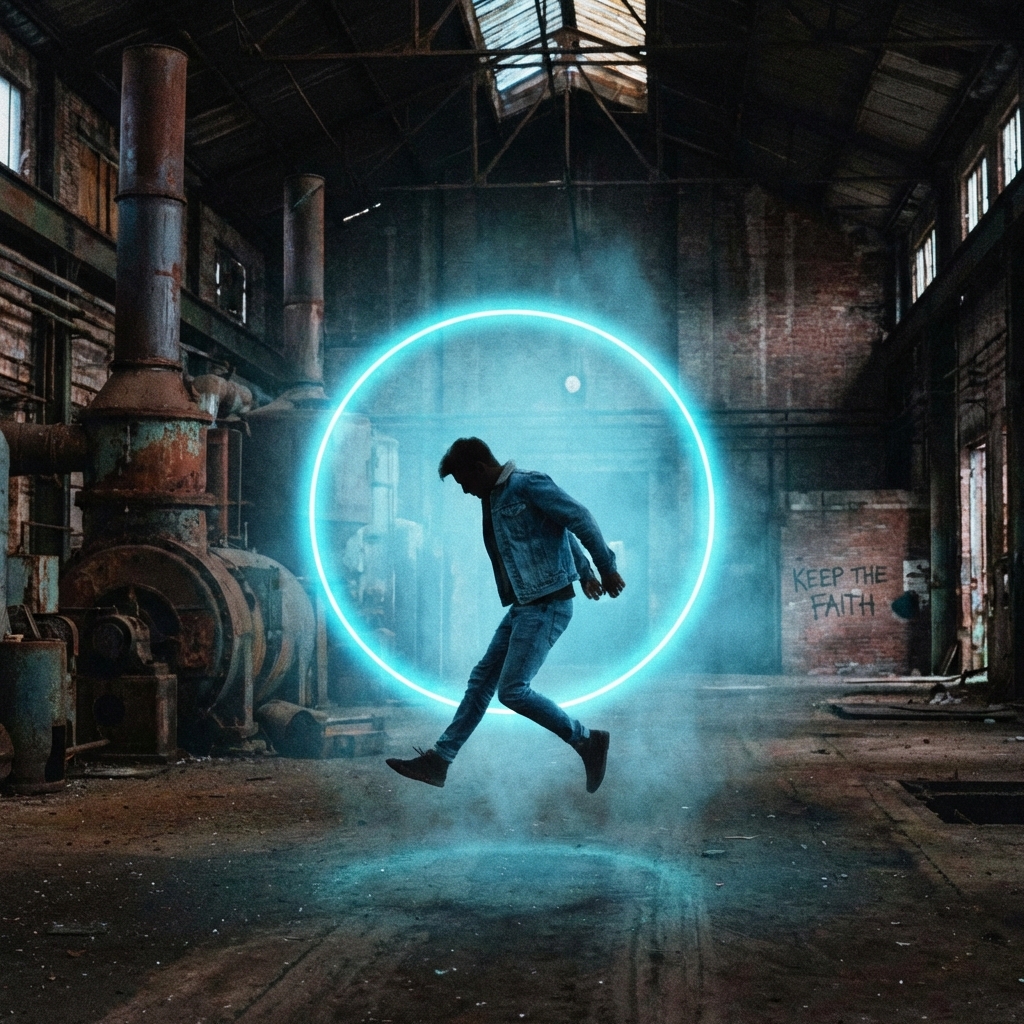
"Dancing in the Dark", at its core, is a song about restlessness, dissatisfaction, and the yearning for meaning and purpose. Bruce Springsteen masterfully captures the feeling of being stuck in a rut, the frustration of unfulfilled potential, and the search for something more in life. The title itself is a powerful metaphor for attempting to find joy and connection in a world that often feels confusing and opaque.
"I get up in the evenin' and I ain't got nothin' to say
I come home in the mornin' I go to bed feelin' the same way"
These opening lines paint a vivid picture of the protagonist's monotony and apathy. He's caught in a cycle of empty activity, unable to articulate his discontent or find solace in his daily routine. The song resonates with anyone who has ever felt adrift, yearning for something to break the monotony and ignite their passion.
The recurring theme of "dancing" is not merely a literal activity; it symbolizes a desire for change, a need for connection, and a way to escape the darkness that surrounds the protagonist. It's an act of defiance against the feeling of powerlessness, a way to reclaim agency and find a moment of joy in the face of despair. Springsteen doesn't offer easy answers or simplistic solutions. Instead, he acknowledges the struggle, the ambiguity, and the enduring hope that even in the darkest of times, there is still the possibility of finding light.
Springsteen expertly uses simple, direct language to convey complex emotions. The lyrics are relatable and accessible, reflecting the everyday struggles of ordinary people. He creates a sense of authenticity and empathy, drawing listeners into the protagonist's world and making them feel understood. The song's enduring appeal lies in its honesty and its ability to tap into the universal human desire for meaning and connection.
📜 Historical Context and Background
Released in 1984 as a single from the album "Born in the U.S.A.", "Dancing in the Dark" was written somewhat begrudgingly by Bruce Springsteen. His manager, Jon Landau, felt that the album lacked a hit single and challenged Springsteen to write something more accessible and commercially viable. Ironically, Springsteen was feeling creatively frustrated and questioning his own purpose at the time, which inadvertently fueled the song's central themes of restlessness and dissatisfaction.
Springsteen initially resisted the pressure to write a more commercial song, viewing it as a compromise of his artistic integrity. However, he ultimately channeled his own feelings of frustration and self-doubt into the lyrics, creating a song that was both commercially successful and deeply personal. The song marked a shift in Springsteen's sound, incorporating more synthesizers and a more pop-oriented arrangement.
The "Born in the U.S.A." album, and "Dancing in the Dark" in particular, captured the zeitgeist of the 1980s. While many artists were embracing escapism and superficiality, Springsteen remained grounded in the realities of working-class America, addressing issues of economic hardship, social inequality, and the search for meaning in a rapidly changing world. The song's success helped to solidify Springsteen's status as a voice for the disenfranchised and a champion of the American dream, even as he questioned its attainability.
The song's music video, featuring a young Courteney Cox being pulled onstage to dance with Springsteen, became an iconic moment in MTV history and further propelled the song's popularity. The video captured the song's themes of connection and liberation, resonating with audiences who were yearning for something more than the prevailing cynicism of the era.
📈 Chart Performance and Global Success
"Dancing in the Dark" reached #2 on the Billboard Hot 100, becoming Springsteen's highest-charting single in the United States. The song's success helped to catapult the "Born in the U.S.A." album to unprecedented heights, cementing Springsteen's status as a global superstar.
The album "Born in the U.S.A." spent an incredible 84 weeks in the top 10, with seven singles reaching the top 10 on the Billboard Hot 100. It became one of the best-selling albums of all time, selling over 30 million copies worldwide. The album’s success owed much of its influence to “Dancing in the Dark”.
Internationally, "Dancing in the Dark" achieved significant success, charting highly in countries such as the United Kingdom, Canada, Australia, and Sweden. The song's universal themes of restlessness and the search for meaning resonated with audiences across cultures, solidifying its place as one of Springsteen's most iconic and enduring songs.
The song earned Bruce Springsteen a Grammy Award for Best Rock Vocal Performance, Male in 1985. Its impact extends beyond sales and awards, serving as a cultural touchstone and anthem for generations seeking solace and understanding in a complex world.
Learn more about its chart performance on the Billboard website or explore its legacy on Wikipedia.
🎼 Musical Composition and Production
"Dancing in the Dark" is characterized by its driving synthesizer riff, propulsive beat, and Springsteen's signature raspy vocals. The song's arrangement is deceptively simple, yet it creates a powerful and emotionally resonant experience for the listener. The use of synthesizers marked a departure from Springsteen's earlier, more guitar-driven sound, reflecting the influence of contemporary pop music.
The song's structure is fairly straightforward, consisting of verses, a chorus, and a bridge. However, Springsteen's dynamic vocal delivery and the song's subtle shifts in intensity create a sense of momentum and anticipation. The chorus, with its anthemic "dancing in the dark" refrain, is instantly memorable and invites listeners to sing along.
The bridge provides a moment of introspection, with Springsteen singing about the desire for a "spark" to ignite his passion and break him out of his routine. This section builds tension and leads into the final chorus, which feels even more cathartic and empowering. The song's production, handled by Springsteen himself and his longtime collaborator Chuck Plotkin, is clean and polished, allowing the song's core elements to shine through.
"You can't start a fire without a spark"
The song's overall feel is a blend of melancholy and optimism. While the lyrics acknowledge the protagonist's struggles, the music conveys a sense of hope and resilience. This duality is one of the key reasons why "Dancing in the Dark" has resonated with so many listeners over the years. It's a song that acknowledges the darkness but also offers a glimmer of light, suggesting that even in the most challenging circumstances, there is still the possibility of finding joy and purpose. Springsteen's mastery lies in creating a soundscape that is both relatable and uplifting, offering a sense of catharsis and inspiration to those who feel lost or disillusioned.
The synth riff, provided by Roy Bittan, is almost as recognizable as the lyrics themselves.
📖 Lyrics and Emotional Resonance
The lyrics of "Dancing in the Dark" delve into universal feelings of frustration, isolation, and the yearning for meaning. Springsteen’s straightforward yet poignant language allows listeners to connect deeply with the song’s emotional core.
Explore the full lyrics here:
💬 Leave a Comment