Where the Streets Have No Name by U2 – Song Meaning & Analysis
Explore the Themes, Lyrics, and Cultural Impact
🎬 Watch the Official Music Video
Directed by Meiert Avis, the iconic video features U2 performing on a rooftop in Los Angeles, drawing a huge crowd and echoing the spirit of spontaneous rebellion. The footage captured the raw energy of the song and earned heavy rotation on MTV.
🎯 Themes and Lyrical Meaning
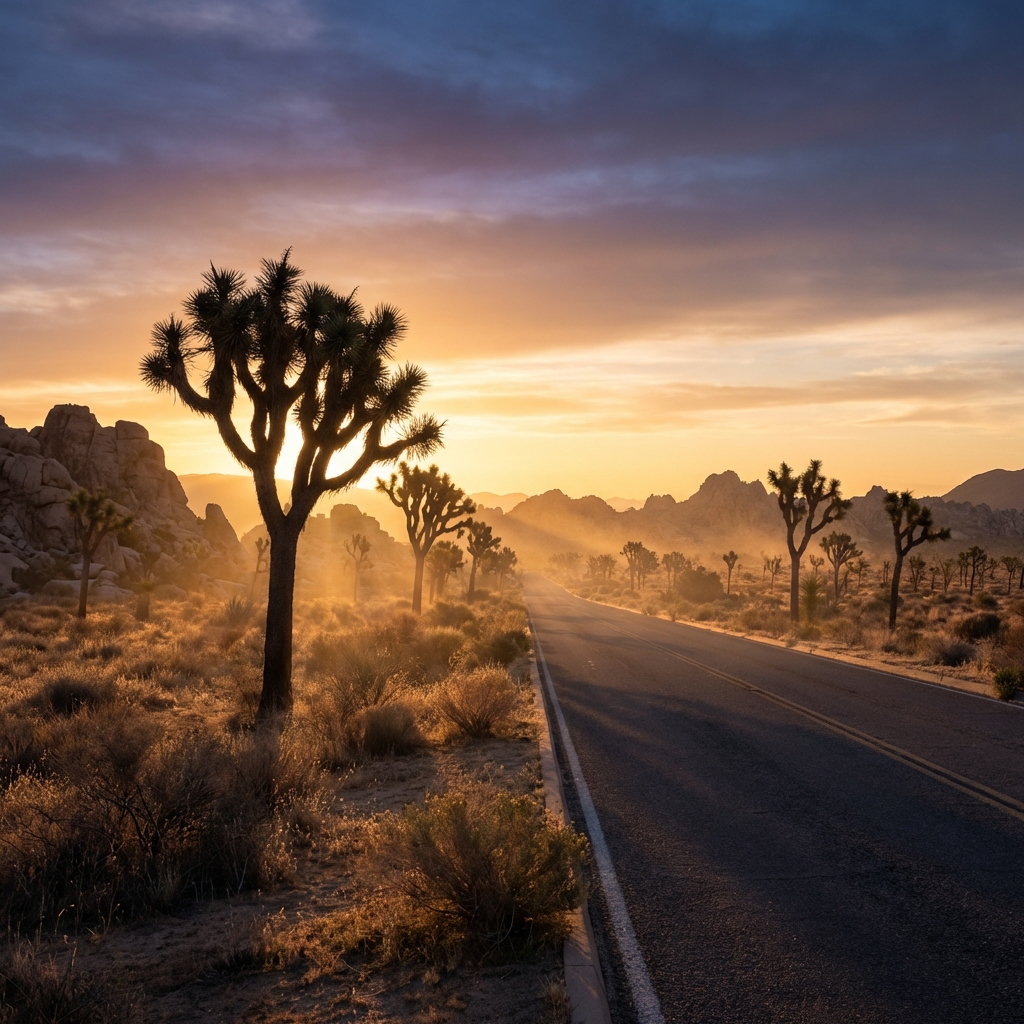
"Where the Streets Have No Name" reflects a longing for escape, unity, and spiritual transcendence. The lyrics dream of a place where social divisions and labels — based on religion, class, or race — no longer exist. Bono’s vision is both personal and universal, resonating with listeners who yearn for a world free of barriers and prejudice.
"I want to run, I want to hide
I want to tear down the walls that hold me inside."
These lines capture the emotional intensity of the song, expressing a desire to break free from societal constraints and personal struggles. The imagery of "tearing down walls" symbolizes liberation and the pursuit of a deeper connection with humanity. Learn more about the song’s themes on Wikipedia.
The song’s title itself is a metaphor for a utopian place where identity is not defined by external factors like geography or social status. This idea was inspired by Bono’s experiences in Belfast, where a street address could reveal a person’s religion and income, perpetuating division and conflict.
📜 Historical Context and Background
Released in 1987 as the opening track of U2’s critically acclaimed album "The Joshua Tree", "Where the Streets Have No Name" became an anthem of hope and unity. The album itself was a turning point in U2’s career, blending political commentary with spiritual and emotional depth.
Bono’s inspiration for the song came from his humanitarian work in Ethiopia, where he witnessed the stark contrast between material poverty and spiritual richness. This experience, combined with the divisions he observed in Northern Ireland, shaped the song’s themes of transcendence and equality.
The song’s creation was famously challenging. Producer Brian Eno and Daniel Lanois spent weeks perfecting its intricate arrangement, which involved layering multiple guitar tracks and creating a sense of vastness. Learn more about the album’s production on Wikipedia.
📈 Chart Performance and Global Success
"Where the Streets Have No Name" achieved commercial success, peaking at #13 on the Billboard Hot 100 and entering the top 10 in several countries, including the UK. Its success further cemented U2’s status as one of the most influential bands of the 1980s.
The song became a staple in U2’s live performances, often serving as a powerful opening or closing number. Its enduring popularity has solidified its place as a cultural and musical landmark, frequently appearing on "greatest songs of all time" lists, including those by Rolling Stone.
🎼 Musical Composition and Production
The song opens with a mesmerizing, echoing guitar arpeggio from The Edge, creating a sense of anticipation and grandeur. This iconic intro, achieved through the use of delay effects, has become one of the most recognizable in rock history.
"Where the streets have no name."
The track builds gradually, layering instruments to create a soaring, cathartic anthem. The interplay between The Edge’s guitar, Adam Clayton’s bassline, and Larry Mullen Jr.’s drumming creates a dynamic and uplifting soundscape. The arrangement mirrors the song’s lyrical themes of transcendence and liberation.
Producer Brian Eno described the recording process as "a nightmare," due to the complexity of the arrangement and the band’s high expectations. However, the result was a landmark of atmospheric rock production, blending technical precision with emotional resonance. Learn more about the production process on Wikipedia.
📖 Lyrics and Spiritual Yearning
The lyrics of "Where the Streets Have No Name" capture a vision of escape and renewal, speaking to listeners' universal desires for freedom, acceptance, and transformation.
Explore the full lyrics here:
💬 Leave a Comment